

.avif)
How Wine Cellar Design Impacts Sommelier Experience in Dubai's Top Restaurants

In Dubai’s best restaurants, the satisfying taste of that first sip of wine begins a long time before the bottle even reaches the table.
It starts with the environment in which that wine is stored, organised and prepared for service. For restaurants with serious wine programmes, wine cellar design in Dubai has become an important part of both operational performance and the wider guest experience.
A well-designed restaurant wine cellar gives sommeliers greater control over temperature, accessibility and bottle organisation, allowing them to focus their attention where it matters most: the guest.
Why Wine Cellar Design Matters to Sommeliers
Unlike private collections, wines within restaurants are typically being stored for service rather than long-term ageing. Many bottles have already reached their intended drinking window, yet they remain sensitive to temperature fluctuations, light, vibration, humidity and surrounding odours.
For restaurant operators, protecting that condition is critical. A premium bottle that has been poorly stored or served at the wrong temperature can never deliver the experience its price suggests.
The physical layout of the cellar matters too.
Bottle organisation, racking systems, access heights and spatial flow influence how quickly a sommelier can locate and retrieve a bottle during a busy service. The best wine cellar design removes unnecessary friction from this process.
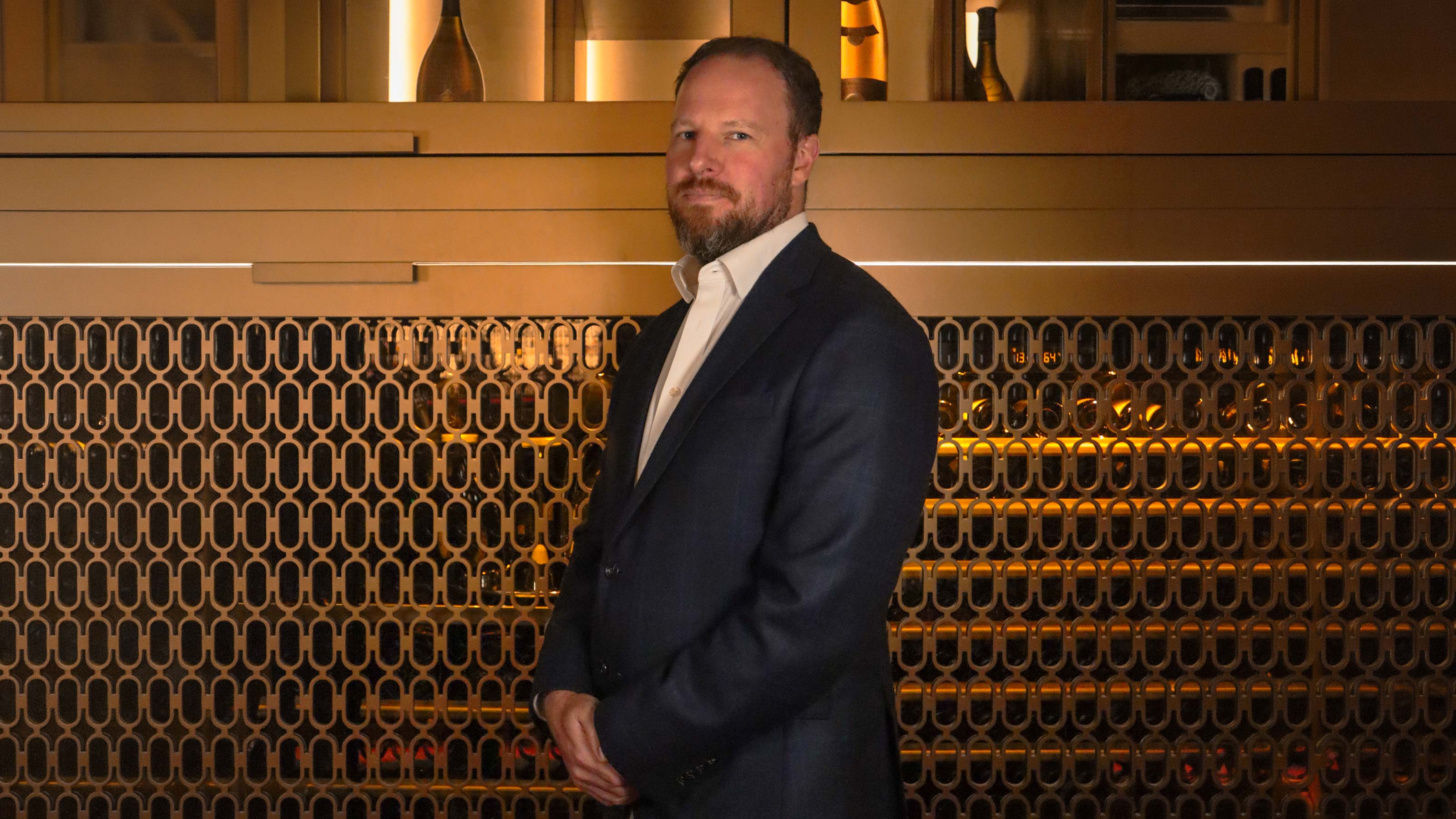
As Oliver Weir, General Manager of Cellar Concept, explains:
“Once the cellar is designed correctly, everything in service becomes more fluid. The sommelier is not thinking about logistics or access, they are focused entirely on the guest experience. When it is not designed properly, you see it immediately in service, through delays, inefficiencies and unnecessary handling.”
Temperature Is at the Centre of Wine Service
Temperature management is fundamental to delivering wine as intended.
Serve wine too cold and its aromas can become muted, tannins may appear harsher and acidity more pronounced. Serve it too warm and alcohol can become dominant while the wine loses definition and balance.
Professional wine storage solutions for restaurants therefore need to accommodate different serving requirements within a single operation.
Cellar Concept frequently combines bespoke architectural design with professional systems such as EuroCave wine cabinets, allowing multiple temperature zones to be incorporated into the cellar environment. The aim is precision without complicating service.
Paris Paradis: Designing Wine Into the Experience
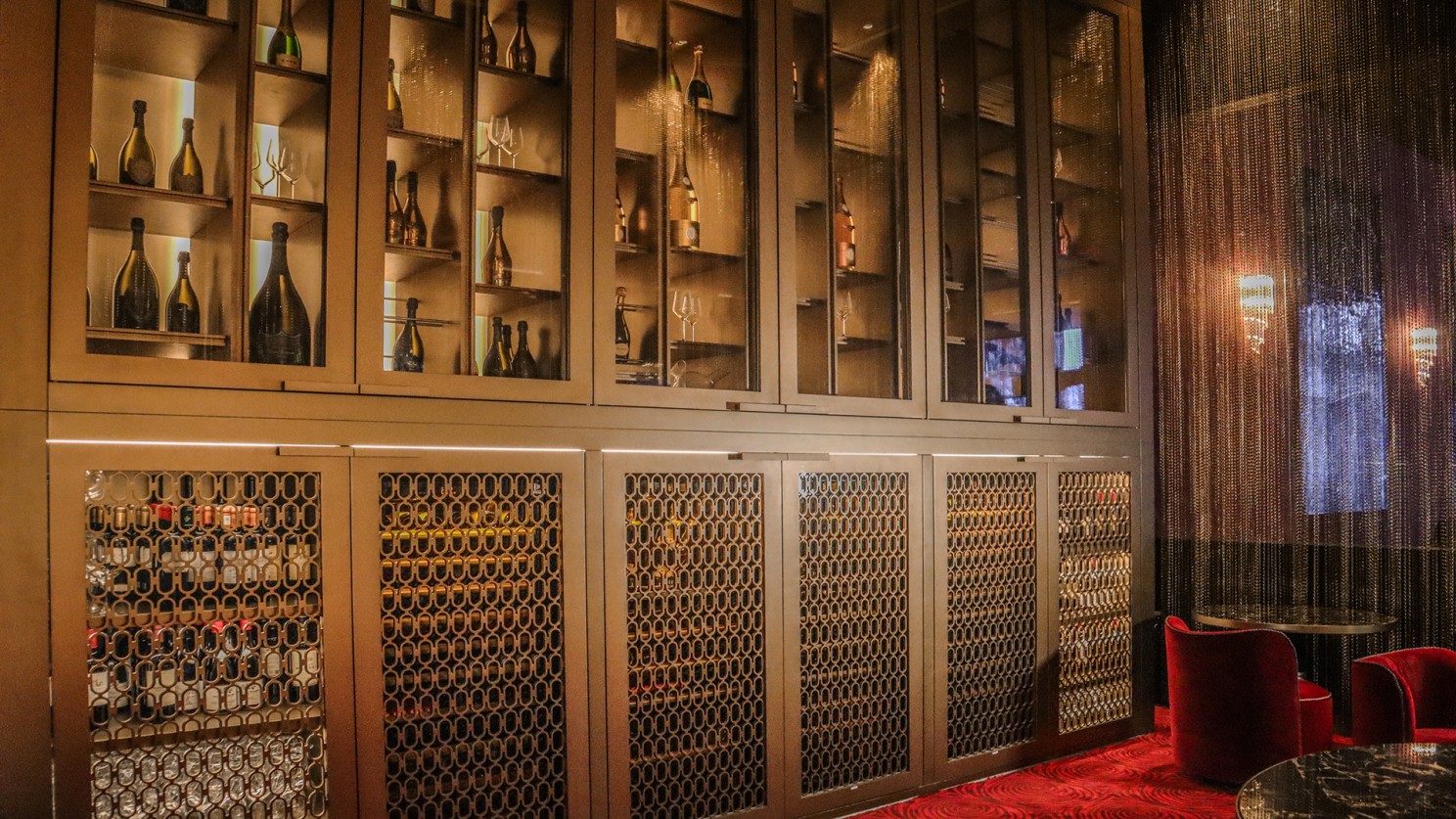
At Paris Paradis at Taj Dubai, Business Bay, the wine cellar was integrated into the restaurant experience from the outset.
Set within an intimate tasting room, the floor-to-ceiling installation combines deep red and black suede finishes, gold detailing and marble with the technical requirements of professional wine storage.
Custom lattice doors conceal four integrated EuroCave systems, with adjustable temperatures between 5°C and 20°C. Above them, illuminated, climate-controlled niches transform bottles and glassware into part of the visual experience.
For the sommelier, the benefits are practical. Bottles remain controlled, organised and immediately accessible, supporting a smooth journey from selection to presentation and pouring.
With Paris Paradis sommelier Jean Claude Noyi guiding the experience, the cellar becomes an active service environment where wine, storytelling and guest interaction happen within the same space.
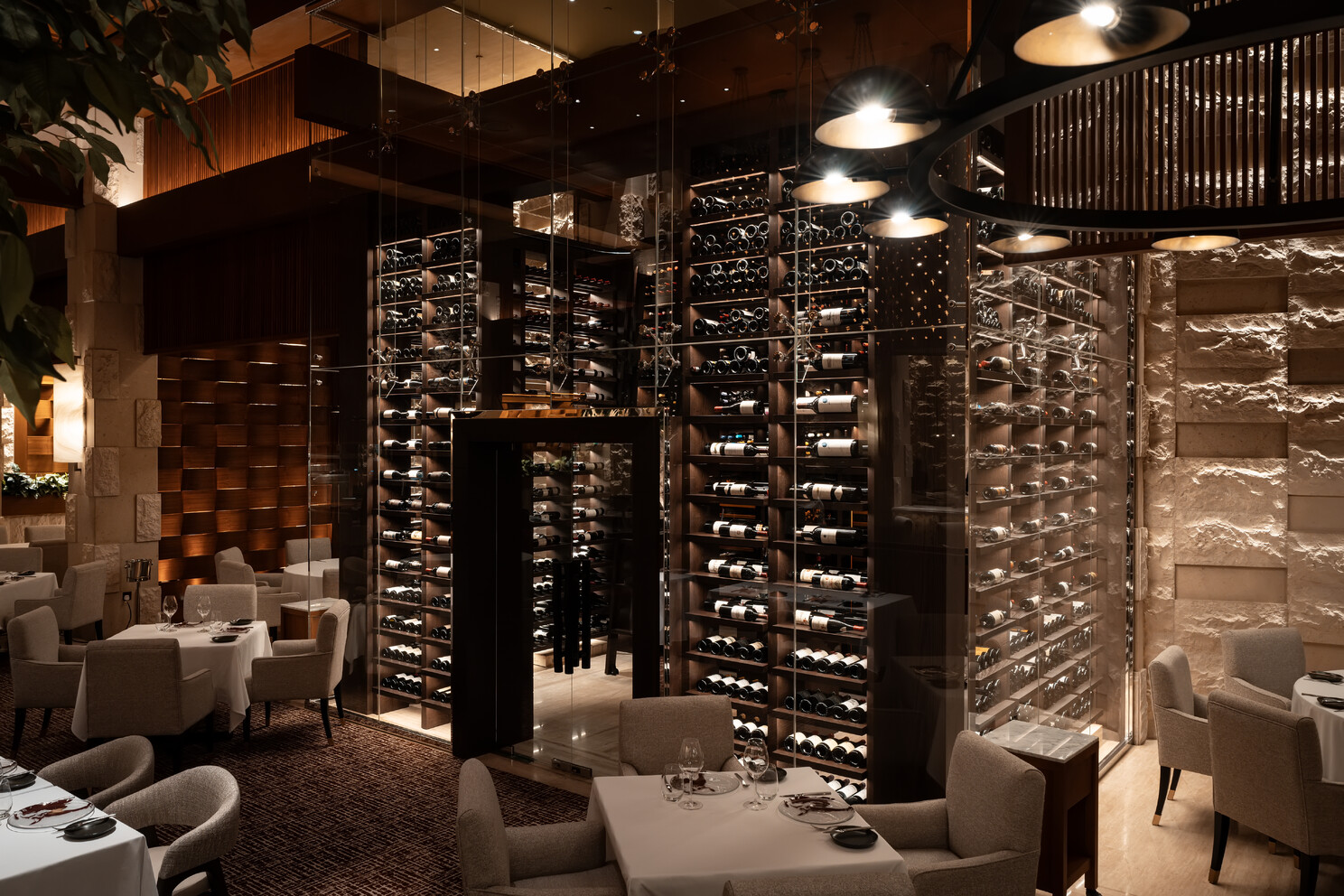
Seafire: A 3,000-Bottle Wine Centrepiece
At Seafire Steakhouse, Atlantis The Palm, wine plays an equally prominent role.
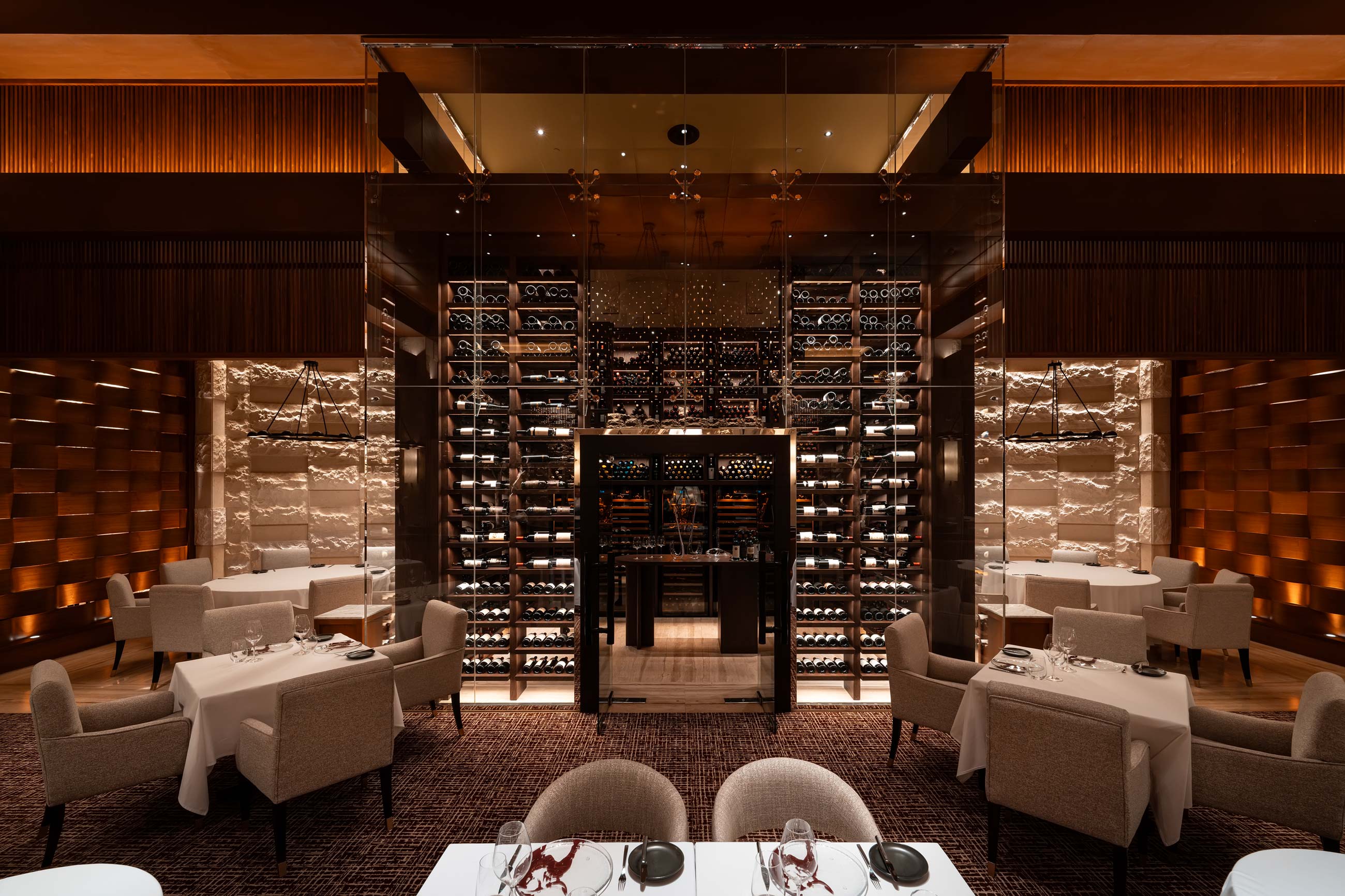
Cellar Concept delivered a bespoke four-metre-high walk-in wine cellar capable of holding more than 2,500 bottles behind full glass walls. A central tasting bar turns the installation into both a working cellar and a focal point within the restaurant.
Custom EuroCave racking accommodates multiple bottle formats while allowing the collection to remain clearly organised and easy to navigate.
For sommeliers working during a busy service, that clarity matters. Bottle location is intuitive, access is efficient and unnecessary handling is reduced.
At the same time, guests can see the scale and care behind the restaurant’s wine programme. The operational infrastructure becomes part of the hospitality experience.
The Architecture Behind Exceptional Wine Service
Wine cellars were once hidden behind closed doors, designed primarily around preservation.
That expectation is changing.
“There was a time when wine cellars were designed to disappear,” says Oliver. “They lived behind closed doors and were engineered for one purpose only: preservation.”
Today, operators increasingly want the cellar to contribute to the restaurant itself.
“What we’re seeing now is people wanting to actually use the space. Cellars are becoming a destination in their own right, rather than a brief stop on the way to dinner.”
For Dubai restaurants investing heavily in their wine programmes, cellar design has become part of the service infrastructure.
Temperature precision protects the wine. Intelligent layouts support the sommelier. Visible collections build confidence and create opportunities for interaction.
When all of these elements work together, the cellar does far more than store bottles. It helps ensure that when the first glass reaches the table, the wine arrives exactly as intended.